
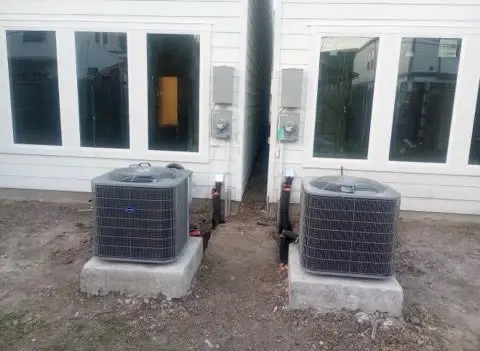
An AC tune up is one of the simplest things you can do to avoid an expensive breakdown, yet it is also one of the most overlooked. If you live in Houston or the surrounding areas like Humble, your air conditioner works harder and longer than almost anywhere else in the country, which makes regular service even more important.
So how often should you actually get an AC tune up? The short answer is at least once a year, and ideally twice for a Houston home. Below we explain exactly when to schedule service, what a proper AC tune up includes, and why skipping it costs you far more in the long run.
How Often Should You Get an AC Tune Up?
For most Houston-area homes, the ideal AC tune up schedule is:
Once a year, at minimum. Every air conditioner should get a professional tune up at least annually. This keeps it running efficiently, catches small problems early, and is usually required to keep your manufacturer warranty valid.
Twice a year is better in Houston. Because our cooling season is so long and demanding, two visits a year is the smart choice, one in spring before the summer heat, and one in fall. If your system is a heat pump that runs year-round, twice-yearly service is strongly recommended.
The best time to book your main AC tune up is early spring, before the first heat wave. This is when technicians find refrigerant issues, worn parts, and dirty coils that would otherwise cause a breakdown in July when you need cooling the most.
What Does an AC Tune Up Include?
A proper AC tune up is thorough, not just a quick glance. Here is what our technicians check and service during a professional HVAC maintenance visit: (link “HVAC maintenance” to /hvac-maintenance/)
- Refrigerant levels. We confirm your system has the correct charge, since low refrigerant makes your AC work harder and cool less.
- Coil cleaning. Dirty evaporator and condenser coils reduce efficiency. We clean them so your system transfers heat properly.
- Electrical connections. We tighten connections and test components to prevent failures and safety hazards.
- Condensate drain. We clear the drain line to prevent water backups and damage.
- Thermostat check. We confirm your thermostat reads accurately and cycles the system correctly.
- Air filter inspection. We check your filter and recommend the right replacement for your system.
- Moving parts. We inspect and lubricate motors and fan components to reduce wear.
Why Regular AC Tune Ups Save You Money
Skipping your AC tune up does not save money, it costs more over time in three clear ways.
Lower energy bills. A neglected system loses 5 to 15 percent of its efficiency each year, which shows up directly on your electric bill. According to ENERGY STAR, regular maintenance helps your system run efficiently and use less energy
Fewer breakdowns. The parts that fail during a summer emergency are usually the same ones a tune up would have caught. A small fix during maintenance prevents a costly emergency AC repair later. (link “AC repair” to /ac-repair/)
Longer system life. A well-maintained AC lasts 15 to 20 years, while a neglected one often fails at 8 to 12. Since a new AC installation is a major expense, regular tune ups protect that investment. (link “AC installation” to /ac-installation/)
What Happens If You Skip AC Maintenance?
When you skip your annual AC tune up, small issues quietly get worse. Dirty coils force the system to run longer. Low refrigerant strains the compressor. Loose electrical connections lead to sudden failures. By the time you notice a problem, it is often an expensive one, and it usually happens on the hottest day of the year when you need cooling most.
Regular maintenance keeps these problems from ever starting, which is why it is the cheapest insurance you can buy for your AC.
Signs Your AC Needs a Tune Up Sooner Rather Than Later
Even if you are not due for scheduled service, certain warning signs mean your AC needs attention now. Watch for these red flags between tune ups:
- Weak or warm airflow. Air that feels weaker or less cold than usual can mean a dirty filter, low refrigerant, or an airflow restriction.
- Rising energy bills. A jump in your bill without a change in usage is a clear sign your AC is losing efficiency.
- Unusual noises. Grinding, buzzing, squealing, or rattling points to worn or loose components that need attention.
- Strange smells. Musty odors can mean mold, while a burning smell may signal an electrical issue needing immediate service.
- Short cycling. If your AC turns on and off frequently without cooling properly, something is forcing it to shut down early.
- Excess humidity. A working AC removes humidity as it cools. A sticky, damp home may mean it is not operating correctly.
AC Tune Up vs AC Repair: What Is the Difference?
Homeowners often confuse these two services, so here is the simple distinction.
An AC tune up is preventive. It is scheduled maintenance done on a working system to keep it efficient and catch small problems early, like an oil change for your car.
An AC repair is reactive. It happens after something has already broken, fixing a specific problem like a failed capacitor, a refrigerant leak, or a broken fan motor.
The whole point of regular tune ups is to reduce how often you need repairs. A well-maintained system rarely surprises you with an expensive breakdown, while a neglected one tends to fail at the worst possible time.
How to Get the Most From Your AC Between Tune Ups
Professional maintenance does the heavy lifting, but simple habits keep your AC healthy between visits:
- Change your air filter every 30 to 60 days during the Houston cooling season, more often with pets or allergies.
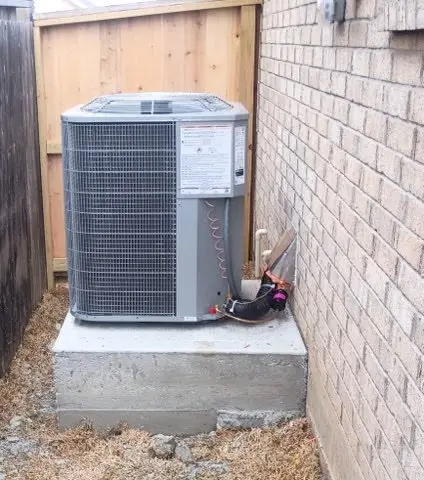
- Keep at least two feet of clearance around your outdoor unit and rinse the coils gently once or twice a season.
- Keep vents open and unblocked so you do not increase pressure and reduce efficiency.
- Use a programmable thermostat to ease strain when you are away.
- Pay attention to how your system sounds and feels, and address anything unusual early.
Why Houston Homes Need More AC Maintenance Than Most
Houston’s climate is uniquely demanding on air conditioning systems, which is why the standard once-a-year advice often is not enough here. Our cooling season stretches across most of the year, so your AC logs far more running hours than a system in a milder climate. That extra workload means faster wear, more strain on the compressor, and quicker buildup of dirt on coils.
Our high humidity adds another challenge. Moisture encourages mold growth and can clog the condensate drain, while constant heat amplifies any small inefficiency across long running hours. This is why twice-yearly maintenance is genuinely worth it for Houston-area homes, your AC simply works harder here, so it needs more care.
Book Your AC Tune Up in Humble, TX
Do not wait for your AC to break down to think about maintenance. Mkazza Air Conditioning provides thorough AC tune ups and HVAC maintenance for homeowners across Humble, Houston, Atascocita, Kingwood, and Spring. (link “HVAC maintenance” to /hvac-maintenance/)
Call (346) 216-1544 to schedule your tune up and keep your system running strong all season.
Frequently Asked Questions
How often should you service your AC?
You should get an AC tune up at least once a year. In a hot climate like Houston, twice a year is better, once in spring before summer and once in fall. Systems that run year-round, like heat pumps, especially benefit from twice-yearly service.
When is the best time for an AC tune up?
Early spring is best, before the summer heat arrives. This lets a technician catch and fix problems before your system is under peak demand.
How much does an AC tune up cost in Houston?
Most AC tune ups range from $100 to $200 per visit. Annual plans covering spring and fall usually run $150 to $300 and often include repair discounts and priority scheduling.
Is an AC tune up really worth it?
Yes. A single emergency repair often costs more than a year of maintenance. Regular tune ups lower energy bills, prevent breakdowns, and extend your system’s lifespan.
Does an AC tune up keep my warranty valid?
In most cases yes. Manufacturers typically require proof of annual professional maintenance to honor the warranty, so keeping up with tune ups protects your coverage.

No comment