AC running but not cooling is the most common HVAC complaint we hear from homeowners in Humble and Houston, especially during summer.
There’s nothing worse than hearing your air conditioner running — the compressor is humming, the fan is spinning, the thermostat says it’s on — but the air coming out of your vents is warm, lukewarm, or barely cool. Your house is getting hotter by the hour, and you’re wondering whether you need a quick fix or an entirely new system.
If you’re a homeowner in Humble, Houston, or anywhere in the greater Houston metro area, this problem hits different. Texas summers push 95°F to 105°F regularly, and when your AC isn’t cooling, indoor temperatures can climb past 90°F within a few hours. That’s not just uncomfortable — it’s a health risk for children, elderly family members, and pets.
Before you assume the worst, let’s walk through every possible reason your AC is running but not cooling your home. We’ll cover what you can fix yourself in the next 10 minutes, what requires a licensed HVAC technician, and how to prevent this from happening again.
1.Dirty Air Filter — The #1 Reason Your AC Is Running But Not Cooling
This is the single most common reason an air conditioner runs but doesn’t cool effectively, and it’s the first thing every HVAC technician checks when they arrive at a service call. A clogged air filter restricts the airflow that your evaporator coil needs to absorb heat from your home’s air. Without enough air passing over the coil, the system can’t transfer heat out of your home — so it just recirculates warm air through your vents.
How to check it: Locate your return air vent (usually a large vent on a wall or ceiling). Open the cover and slide out the filter. Hold it up to a light source. If you can’t see light through it, it’s too clogged to function properly.
How to fix it: Replace the filter immediately. Don’t try to vacuum or wash a disposable fiberglass filter — just replace it. For Houston-area homes, we recommend replacing your filter every 30 to 45 days during summer months. If you have pets, allergies, or a household with more than three people, every 30 days is the safer interval.
What filter should you buy? A MERV 8 to MERV 11 filter is the sweet spot for most residential HVAC systems. Higher MERV ratings (13+) filter more particles but can actually restrict airflow in systems that weren’t designed for them, which makes the problem worse. Check your system’s manual or ask your HVAC technician what rating your unit can handle.
Cost to fix: $5 to $25 for a replacement filter. This is a free fix if you have a spare on hand.
2. Your Thermostat Is Set Incorrectly or Malfunctioning
This sounds almost too simple, but thermostat issues account for a surprising number of “my AC isn’t cooling” service calls. Sometimes the fix takes 10 seconds.
Check these settings first:
Make sure the mode is set to COOL, not HEAT, AUTO, or FAN ONLY. In FAN ONLY mode, the blower runs and pushes air through your vents, but the compressor isn’t engaged — so the air isn’t being cooled at all. This is the most common thermostat mistake homeowners make, especially after power outages that reset the thermostat to default settings.
Verify that the set temperature is at least 3 to 5 degrees below the current room temperature displayed on the thermostat. If your room is 78°F and your thermostat is set to 78°F, the system won’t kick into cooling mode because it thinks the job is already done.
If you have a programmable or smart thermostat (like a Nest, Ecobee, or Honeywell Home), check the schedule. A programmed schedule might be overriding your manual setting, raising the temperature during hours you didn’t expect. Energy-saving modes and “eco” settings can also set the temperature higher than you want.
If the display is blank, flickering, or unresponsive, replace the batteries first (most thermostats use AA or AAA). If new batteries don’t fix it, the thermostat itself may have failed and needs replacing. A new thermostat costs $25 to $250 depending on whether you want a basic model or a smart thermostat, plus $50 to $150 for professional installation.
If the thermostat shows a temperature that doesn’t match what you feel in the room — for example, it reads 72°F but the room clearly feels like 80°F — the thermostat sensor is miscalibrated or failing. This causes the system to short-cycle or not run long enough to cool your home. A technician can recalibrate it or recommend a replacement.
3. Your Evaporator Coil Is Frozen
A frozen evaporator coil is one of the most misunderstood AC problems. Homeowners see ice forming on the indoor unit, on the copper refrigerant lines, or even on the outdoor unit and think, “At least it’s making something cold.” But a frozen coil actually means the opposite — your system has stopped cooling your home entirely.
This is one of the most frustrating causes of an AC running but not cooling because the system appears to be working fine from the outside.
Why does the evaporator coil freeze? The evaporator coil works by absorbing heat from the air passing over it. When something disrupts that heat exchange — restricted airflow from a dirty filter, low refrigerant levels, a malfunctioning blower motor, or dirty coils — the coil temperature drops below freezing and moisture from the air freezes onto it. Once ice builds up, it insulates the coil and blocks airflow even further, creating a cycle that gets worse until the system shuts down completely.
How to check it: Look at the copper refrigerant lines running from your indoor unit to the outdoor unit. If they’re covered in frost or ice, your coil is frozen. You might also notice water pooling around your indoor unit as the ice melts during off cycles.
How to fix it: Turn your AC off completely but leave the fan set to ON. This runs the blower without the compressor, pushing warm air over the frozen coil to melt the ice. It can take 2 to 24 hours for a fully frozen coil to thaw, depending on how thick the ice buildup is. Do not try to chip the ice off — you can damage the coil fins.
Once the ice is fully melted, replace your air filter (if it’s dirty), then turn the system back on. If the coil freezes again within a day or two, the underlying cause is something a homeowner can’t fix — low refrigerant, a failing blower motor, or a metering device malfunction. At that point, you need professional AC repair.
4. Your Refrigerant Is Low (You Have a Leak)
This is one of the most frustrating causes of an AC running but not cooling because the system appears to be working fine from the outside.
This is a critical point that many homeowners misunderstand: your AC does not consume refrigerant. It’s not like gas in a car that gets used up over time. Your HVAC system circulates the same refrigerant in a closed loop for its entire lifespan. If your refrigerant level is low, it means there is a leak somewhere in the system — period.
Low refrigerant reduces your system’s ability to absorb and transfer heat. The result is an AC that runs constantly, blows lukewarm air, and can’t bring your home down to the set temperature. If ignored, low refrigerant also causes the compressor to overheat and fail — and the compressor is the most expensive component in your entire system.
Signs of a refrigerant leak:
Your AC blows cool but not cold air, and the house never reaches the set temperature. You hear a hissing or bubbling sound near the indoor or outdoor unit (this is refrigerant escaping through the leak). Ice is forming on the refrigerant lines or evaporator coil. Your electricity bills have increased significantly without a change in usage. The air coming from your vents feels less powerful than it used to.
Can you fix this yourself? No. Refrigerant handling requires EPA Section 608 certification by law. Only a licensed HVAC technician can locate the leak, repair it, and recharge your system with the correct amount of refrigerant. This is not a DIY job, and anyone offering to “top off your Freon” without fixing the leak first is giving you a temporary fix that will fail again within weeks or months.
Cost to fix: Leak detection and repair typically costs $200 to $600 depending on the location and severity of the leak. Refrigerant recharge costs $150 to $400 on top of that, depending on the type and amount needed. Systems using older R-22 (Freon) refrigerant cost significantly more because R-22 has been phased out of production and existing supply is limited and expensive.
If your system uses R-22 and has a significant leak, it’s often more cost-effective to replace the entire system with a newer R-410A unit rather than continuing to pay for increasingly expensive R-22 recharges.
5. Your Condenser Coils Are Dirty (Outdoor Unit)
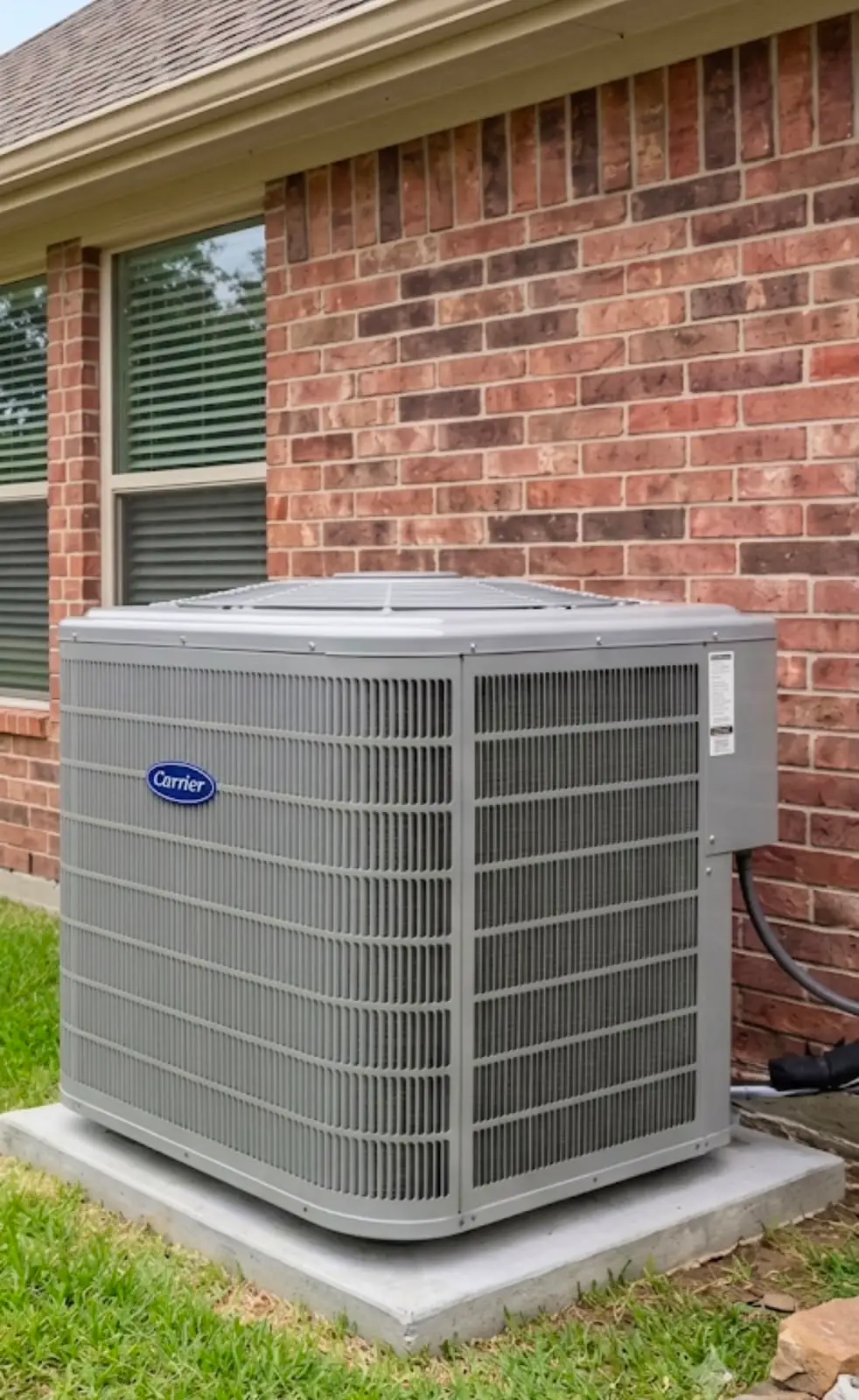
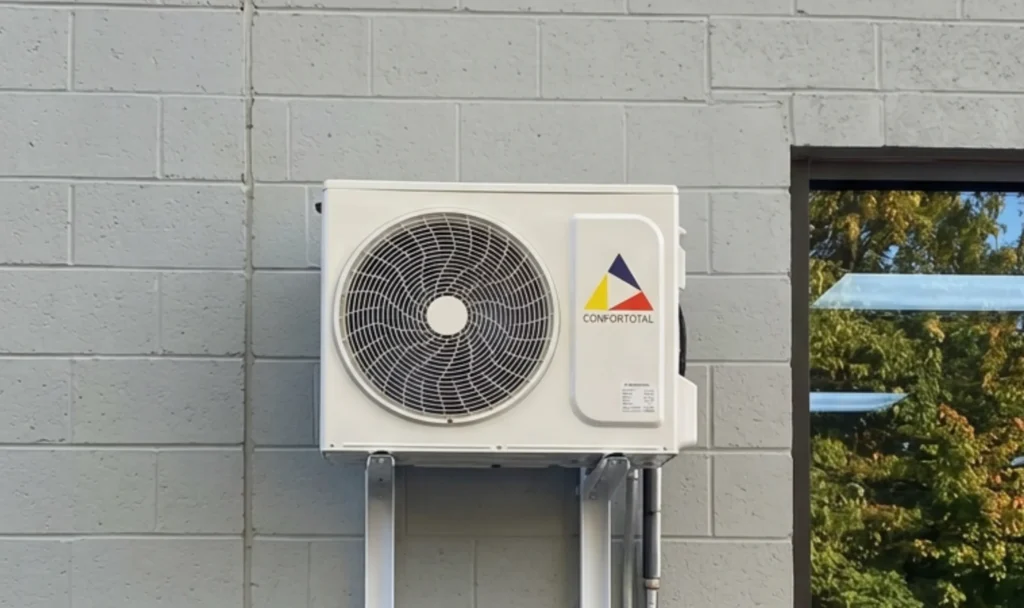
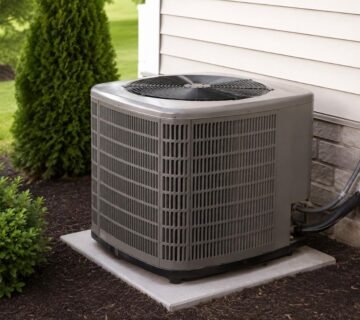
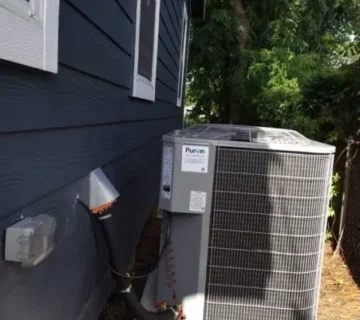
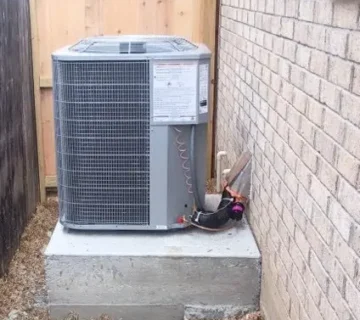
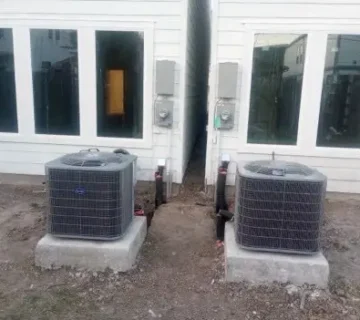
Your outdoor AC unit (the condenser) is responsible for releasing the heat that was absorbed from inside your home. It does this by blowing outdoor air across the condenser coils. When those coils are caked with dirt, grass clippings, pollen, leaves, pet hair, or cottonwood fuzz, they can’t release heat efficiently. The result is a system that runs and runs but never actually cools your home properly.
This is especially common in the Houston area during spring and early summer when pollen counts are high, grass is being mowed frequently, and cottonwood seeds fill the air. If your outdoor unit sits near landscaping, a fence, or a dryer vent, the coils get dirty even faster.
How to check it: Walk outside and look at your condenser unit. If you can see a visible layer of grime, dirt, or debris on the aluminum fins, the coils need cleaning.
How to fix it yourself: Turn the system off at the thermostat. Remove any large debris (leaves, branches, trash) from around and on top of the unit. Use a garden hose — not a pressure washer — to spray the coils from the inside out, working from top to bottom. A gentle, steady stream of water is all you need. Pressure washing will bend the delicate aluminum fins and make the problem worse.
Make sure you maintain at least 2 feet of clearance around all sides of the outdoor unit. Trim back any bushes, shrubs, ornamental grasses, or plants that are crowding the unit. Good airflow around the condenser is essential for proper operation.
When to call a professional: If a basic hose rinse doesn’t improve performance, the coils may need a chemical cleaning with a professional-grade coil cleaner. Our technicians include a full coil cleaning as part of every HVAC maintenance visit.
6. Your Ductwork Is Leaking Conditioned Air
This is the hidden problem that most homeowners never think about. Your AC might be producing perfectly cold air at the unit, but if your ductwork has leaks, disconnections, or poor insulation, a significant portion of that cooled air never makes it to your rooms.
According to the U.S. Department of Energy, the average home loses 20 to 30 percent of its conditioned air through duct leaks. In Houston-area homes where ductwork runs through unconditioned attic spaces that reach 130°F to 150°F in summer, the losses can be even higher. That means your AC is working 20 to 30 percent harder than it needs to just to keep up — driving up your energy bills and putting unnecessary wear on your system.
Signs of duct problems:
Certain rooms in your home are consistently warmer than others even though all vents are open. You can feel warm air leaking from duct joints or connections in your attic. Visible dust blows from vents when the system kicks on (this is attic insulation or debris being pulled through gaps). Your energy bills seem high relative to the size of your home and the age of your system.
Can you fix this yourself? Minor gaps at visible duct joints can be sealed with mastic sealant or metal-backed HVAC tape (not standard duct tape — despite the name, regular duct tape fails quickly in high-heat environments). However, most duct leaks are in sections you can’t easily see or reach, particularly in attics. Professional duct sealing and insulation is the most effective solution.
Cost to fix: Professional duct sealing for a typical home costs $300 to $800. Full duct replacement runs $1,500 to $5,000 depending on the size and layout of your home. Considering the energy savings over time, duct sealing is one of the highest-ROI improvements you can make to your HVAC system.
7. Your Compressor Is Failing
The compressor is the heart of your air conditioning system. It pressurizes refrigerant and circulates it between the indoor and outdoor units to transfer heat. When the compressor starts failing, the first symptom is usually reduced cooling capacity — the system runs but can’t cool the house down.
Signs of a failing compressor:
The outdoor unit makes a clicking, grinding, or chattering noise when it tries to start. The system starts up, runs for a few minutes, then shuts off and won’t restart for a while (this is called hard starting). The circuit breaker for the AC keeps tripping. The outdoor unit vibrates excessively during operation. You’re getting lukewarm air even though every other component checks out fine.
Can you fix this yourself? No. Compressor issues require a licensed technician with specialized tools and refrigerant handling certification.
Cost to fix: A compressor replacement typically costs $800 to $2,500 including parts and labor. Because of the high cost, this is often the point where homeowners need to decide between repairing and replacing the entire system. The general rule: if your system is less than 8 years old and still under warranty, replacing the compressor is usually worth it. If it’s over 10 years old or out of warranty, investing in a new AC installation typically makes more financial sense in the long run.
8. Your System Is Undersized for Your Home
If your AC has always been running but not cooling your home properly, the problem might not be a malfunction at all
If your AC has never been able to keep your home truly comfortable — it runs all day but the house is always a few degrees warmer than the set temperature — the problem might not be a malfunction at all. Your system might simply be too small for your home.
An undersized AC unit doesn’t have the cooling capacity to overcome the heat gain of your home. This is common in Houston-area homes that have been expanded with room additions, converted garages, or enclosed patios without upgrading the HVAC system to match the new square footage.
Signs your system is undersized:
The AC runs almost continuously during hot afternoons but the house never reaches the set temperature. You notice the system struggles more as outdoor temperatures increase — it handles 90°F days okay but can’t keep up on 100°F days. Your energy bills are high relative to your home’s size. Multiple rooms feel significantly different temperatures.
How to fix it: A qualified HVAC technician can perform a Manual J load calculation — an industry-standard method that accounts for your home’s square footage, insulation levels, window count and orientation, ceiling height, occupancy, and local climate data to determine the exact cooling capacity your home needs. If your current system is undersized, the only real fix is replacing it with a properly sized unit.
9. Your AC Unit Is Old and Losing Efficiency
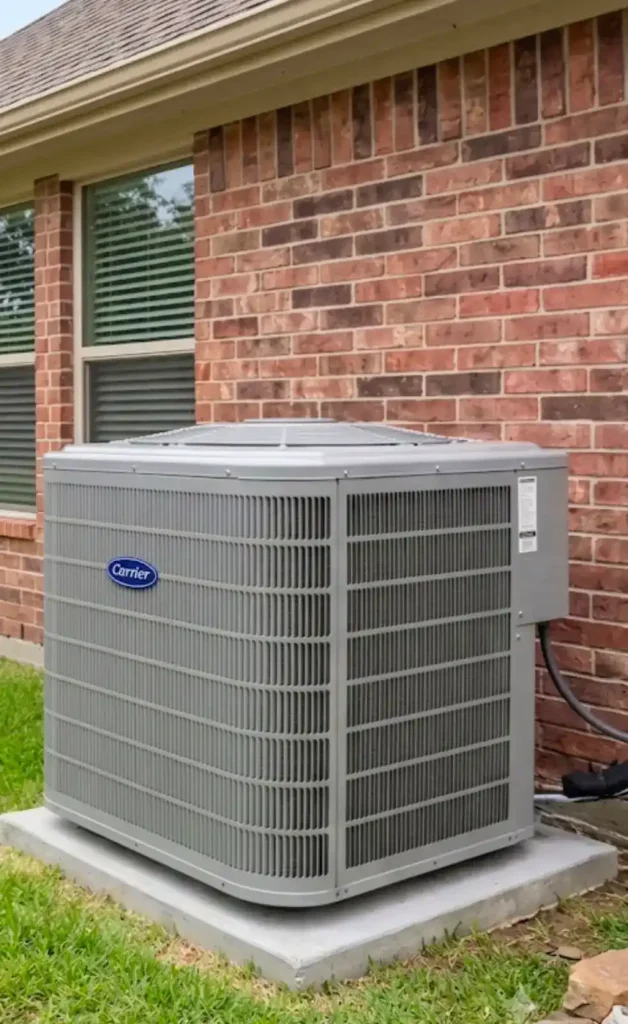
Even the best air conditioning systems lose efficiency over time. Compressor performance degrades, coil surfaces corrode, electrical components wear out, and refrigerant connections develop micro-leaks. After 10 to 15 years of operation, most AC systems are producing significantly less cooling than they did when they were new — even with proper maintenance.
If your system is approaching or past the 15-year mark and you’re noticing reduced cooling performance, increasing repair frequency, and rising energy bills, it may be reaching the end of its useful lifespan.
The 50% rule for AC replacement: If a single repair costs more than 50% of what a new system would cost, replacement is usually the smarter investment. For example, if a compressor replacement would cost $2,000 and a new system would cost $4,500, it makes more sense to put that $2,000 toward the new system and get a full manufacturer warranty, modern efficiency ratings, and potentially 15+ more years of reliable operation.
Modern AC systems with high SEER2 ratings use significantly less electricity than older models, which means lower monthly energy bills. Many Houston-area homeowners who upgrade from a 10 SEER system to a 16+ SEER system see a 30 to 40 percent reduction in cooling costs.
When to Call a Professional HVAC Technician
Some problems you can troubleshoot yourself — changing the filter, checking the thermostat, hosing down the outdoor unit. But there are clear situations where calling a licensed technician is the right call:
Your AC has been blowing warm air for more than a few hours after you’ve checked the filter and thermostat. You see ice forming on the refrigerant lines or indoor unit. You hear unusual grinding, buzzing, hissing, or banging noises from either the indoor or outdoor unit. Your circuit breaker trips when the AC starts up. You smell a burning or chemical odor coming from the system. Water is pooling around your indoor unit. Your energy bills have spiked significantly without a change in usage patterns.
Mkazza Air Conditioning provides same-day AC repair in Humble, TX and across the greater Houston metro area including Atascocita, Kingwood, Spring, Crosby, and Porter. Our licensed technicians diagnose the problem on-site, give you an upfront repair estimate before any work begins, and fix it right the first time.
Call (346) 216-1544 to schedule service today.

No comment